Focused arrival windows
Useful updates and clear arrival timing.
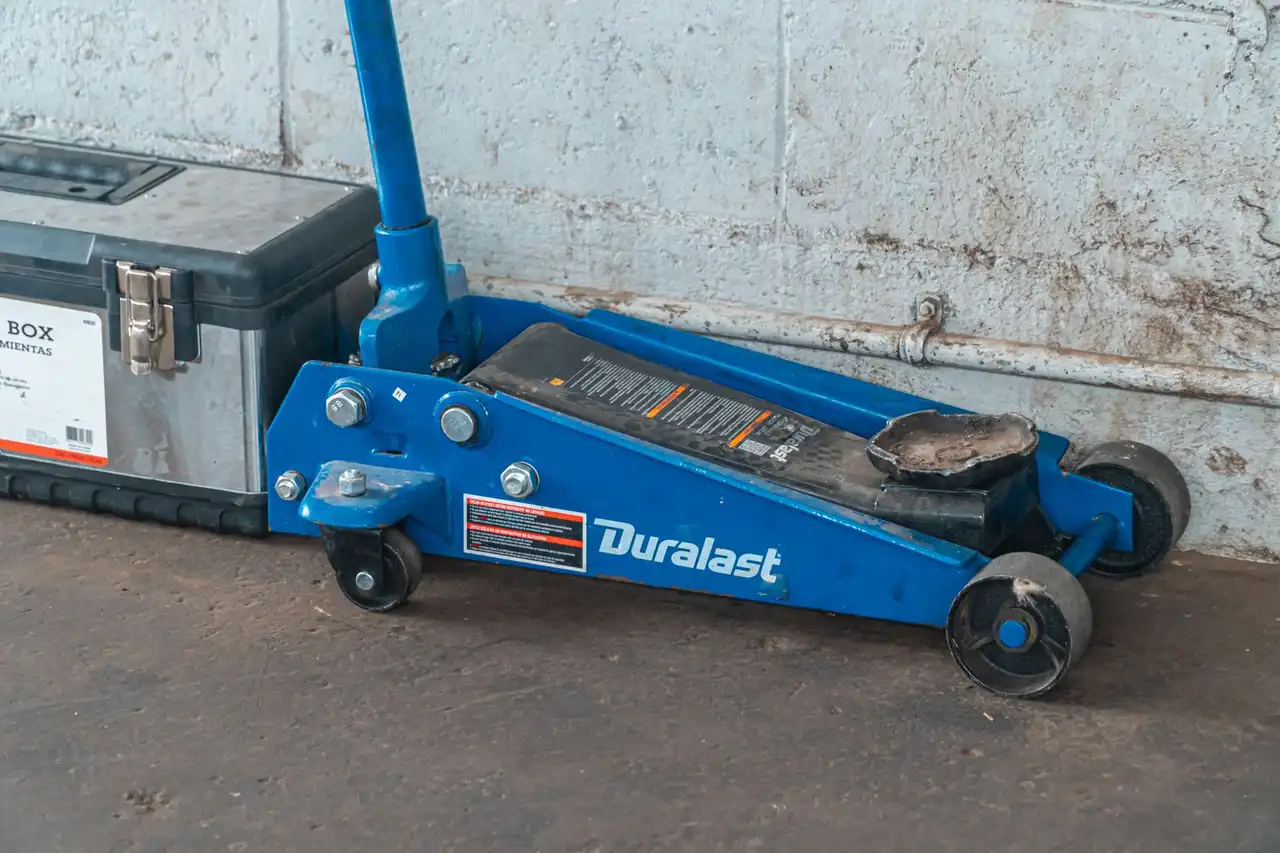
When your sump basin fills faster than the pump can clear it, you need sump pump installation naples FL homeowners actually trust. We size the pump to your water table, cut in a proper discharge line, and wire the float switch so it kicks on the first time. Whether you own a 1950s cottage near the Gordon River or a new build in Olde Naples, our team handles the whole job, from the Collier County building permit to the final bucket test.
Useful updates and clear arrival timing.
Review the approach and price before deciding.
Equipped vehicles and respectful cleanup.
Neighbors serving neighbors with follow-through.
Every install starts with a basin and pump sized to your actual water table, not a generic chart. The list below covers what comes standard on a full install. Add-ons like battery backup, water alarm, and secondary pumps are priced separately so you only pay for what your home needs.
We set a properly sized sump basin liner and bed it in washed gravel so the pump sits level and sediment stays out. A basin that is too shallow is the number one reason pumps short-cycle in Naples. We size it from the inflow we measure on site.
Your new submersible or pedestal pump gets mounted on a solid base with a fresh float switch set to the correct on and off levels. We test the switch through three full cycles before we call the job done. No reused switches on a new install.
We run PVC discharge pipe from the pump through a new check valve to a point that drains away from the foundation. The check valve stops water from flowing back into the basin between cycles. Every joint is primed and glued, then pressure-checked.
The pump gets its own GFCI-protected circuit wired to NEC electrical code. If you add a battery backup system, it goes on a separate circuit and we test the transfer under load. No extension cords, no daisy-chained outlets, no shortcuts.
We pull the Collier County building permit and meet the inspector on site. You get the signed-off paperwork for your records, which matters at resale. The inspection covers the basin, the discharge point, and the electrical work.
Before we leave, we fill the basin and watch the pump run three full cycles, then kill the power to confirm the backup takes over. You get a walkthrough of the alarm, the test button, and a simple maintenance schedule. Our number is on the invoice.
Share what is happening and receive a clear next step from the local team.
Sump pump installation naples FL is the process of setting a pump, basin, and discharge line into the lowest point of your home so groundwater gets pushed outside before it reaches your slab. We core or dig the basin, bed it in gravel, set a submersible pump or pedestal pump on a solid base, and run PVC discharge pipe through a check valve to a point that drains away from the foundation. Every connection gets sealed, and the float switch is set so the pump cycles on at the right water level, not every five minutes.
Naples sits on a high water table, and afternoon storms from June through October can dump two inches in an hour. If your sump pump setup naples FL is undersized or the discharge line is clogged, that water has nowhere to go but across your floor. We see it most in older homes with shallow basins and in newer builds where the original pump was sized for a smaller footprint. A new sump pump installation naples is cheaper than replacing flooring, drywall, and baseboards after a flood.
You call, we ask three questions: where the water shows up, how old the basin is, and whether the pump runs at all. From that we book a same-day estimate, usually within two hours for addresses in the 34103 and 34102 ZIP codes. The visit is free and there is no pressure to book the work on the spot.
On site we measure basin depth, inflow rate, and discharge height. That tells us whether you need a 1/3 HP or 1/2 HP pump and whether a battery backup system fits your setup. We check the existing check valve and discharge pipe for reuse. You get a written price before we touch a tool.
Most sump work in Collier County requires a building permit, and we pull it for you. The inspection covers the basin, the electrical connection under NEC electrical code, and the discharge point. Skipping this step can cost you at resale, so we do not skip it.
Install day runs three to five hours for a standard swap. We set the new basin liner, bed it in gravel, mount the pump, run PVC discharge pipe, and install a fresh check valve and float switch. If you added a battery backup, we wire it to its own circuit and test the transfer under load.
We fill the basin with a hose and watch the pump cycle three full times. Then we kill the power to confirm the backup takes over. You get a walkthrough of the alarm, the test button, and the maintenance schedule, plus our number for anything that comes up after we leave.
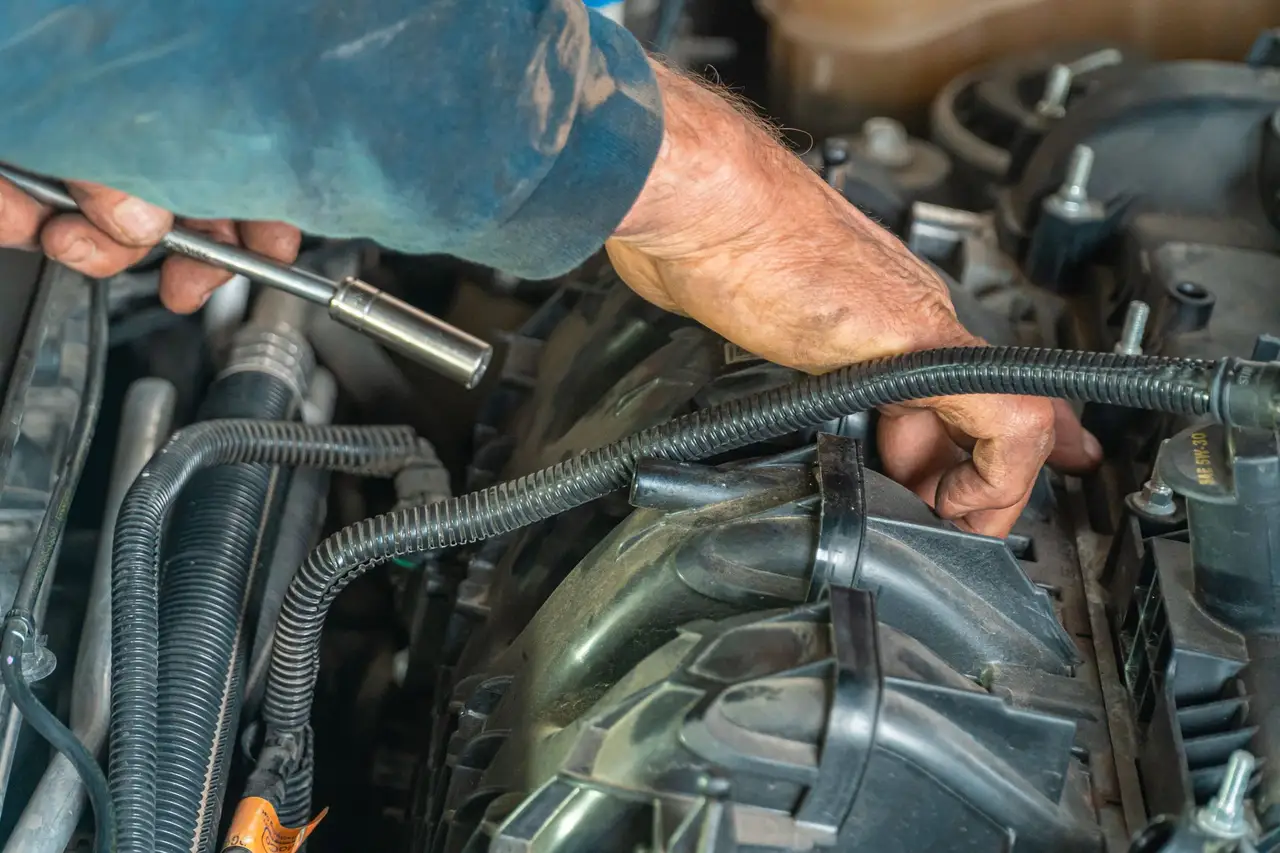
Our go-to pumps for Naples installs because they handle sandy water and high cycle counts. We match the horsepower to the inflow rate we measure on site, not a generic chart.
Installed on their own circuit to keep the pump running through a grid outage. We test the transfer under load before we leave, so you know it works when the lights go out.
Used to cut out old check valves and rebuild discharge lines cleanly. Proper tools mean clean joints that do not leak or pull apart under pressure.
We verify the pump circuit, the GFCI, and the backup transfer with a multimeter. The water alarm gets tested at the same time so you know it will sound before the floor gets wet.
A new liner and gravel bed keep sediment out of the impeller and hold the pump level. This is the difference between a pump that lasts three years and one that lasts ten.
We measure how fast water enters your basin during a simulated fill, then size the pump to that number. This is more accurate than sizing by square footage, and it is why our installs do not short-cycle during Naples storms.
Every pump gets a GFCI-protected dedicated circuit wired to NEC electrical code. Backup systems go on their own circuit. We verify the whole setup with a multimeter before the inspection.
Before we leave, we fill the basin and watch the pump run three full cycles, then kill the power to confirm the backup takes over. If anything hesitates, we fix it on the spot. No customer ever gets an untested pump.
We pull the building permit and meet the inspector on site. The inspection covers the basin, the discharge point, and the electrical connection. You get the signed-off paperwork for your records and for resale.
We install a new pump with a battery backup and pull the Collier County permit before closing. The signed-off paperwork goes to your lender and your agent. The job usually finishes in a single visit. You close with a documented, code-correct system instead of a repair credit and a question mark. The seller's agent stops negotiating over water intrusion.
We come out the same day, diagnose whether the pump, switch, or discharge line failed, and install a correctly sized replacement. If the basin is undersized, we cut in a deeper one while we are there. You have a working pump before the next storm, plus a written warranty and a maintenance schedule. The wet flooring gets dried out and the source is fixed.
We size the pump and basin to the new square footage, run a dedicated discharge line, and wire a battery backup on its own circuit. The install meets Florida Building Code for the new living space. Your new room stays dry through wet season, and the system is documented for the final inspection. You get the space you paid for without a water risk.
We replace the pump, check valve, and float switch in one visit and inspect the basin for cracks or sediment. If the discharge line is partially clogged, we flush or rebuild it. You avoid the mid-storm failure that was coming, and the new pump runs quieter and draws less power. Most customers notice the difference the first rain.
Naples is not like most of Florida when it comes to groundwater. The water table sits high in many neighborhoods, especially near the Gordon River and the low blocks around Downtown Naples, so a sump basin can fill within minutes of a heavy rain. Wet season runs June through October, and that is when we see the most emergency calls. The rest of the year is our window for planned installs, and we schedule them so your system is ready before the first storm. Building stock matters too. Older cottages in Olde Naples often have shallow basins that were sized for a smaller footprint, while newer construction sometimes skimps on the discharge line. We correct both. If you are pricing a basement sump pump installation naples FL, the honest answer is that the basin depth and discharge run drive the cost more than the pump itself. We pull the Collier County building permit on every job and meet the inspector, so the work is documented when you sell. Our vans carry the common parts, which means most installs finish in one visit and you are not waiting a week with a wet floor.
Older homes here often have shallow basins and undersized discharge lines. We cut in deeper basins and rebuild the discharge run to handle the local water table.
Mixed building stock, from 1950s cottages to new builds. We size each pump from the actual inflow rate, because two houses on the same block can need different horsepower.
Proximity to the Gulf means a high water table and fast basin fill during storms. Battery backup is close to mandatory here, and we install it on its own circuit.
Larger homes with finished lower levels need bigger basins and dedicated discharge lines. We plan the routing so the discharge point stays clear of the foundation and the neighbor's lot.
Basins fill faster here than almost anywhere in Collier County, so we size pumps up and set the float switch to cycle sooner. A pump that works fine inland can be undersized two blocks from the river.
Two inches of rain in an hour is normal during wet season. That is why we test every install with a full basin and recommend battery backup for homes that flood during outages.
Sand works its way into older basins and wears out impellers. We bed new basins in washed gravel and set the pump on a solid base to keep sediment out of the intake.
Most sump work needs a building permit and an inspection. We pull it and meet the inspector, so the job is documented for resale and does not become a problem years later.
A 1950s cottage with a shallow basin and a pedestal pump that ran constantly during storms. The garage took on an inch of water in July, and the pump finally quit mid-storm. The homeowner was mopping up at midnight.
We cut in a deeper basin, installed a 1/2 HP Zoeller submersible pump, ran new PVC discharge pipe with a fresh check valve, and added a battery backup on its own circuit. The next storm dropped two inches and the garage stayed dry.
Maintenance: Test the pump monthly with a bucket of water and check the backup battery every six months. We schedule an annual service visit before wet season to flush the discharge line and test the switch.
A pump that cycled every 90 seconds and tripped the breaker twice in a month. The check valve was seized and the discharge line was partially clogged with sediment. The homeowner was worried about a fire risk from the repeated trips.
We replaced the check valve, flushed and rebuilt the discharge line, and installed a new float switch set to the correct levels. The pump now cycles in short bursts during storms and the breaker has not tripped since. Energy draw dropped noticeably.
Maintenance: Flush the discharge line each spring before wet season and keep the basin free of debris. If the pump starts cycling more often, call us before it fails, because that is the early warning sign.
A recently built home in the 34103 ZIP code with a working pump but no battery backup. The owner lost power for six hours during a storm and watched the basin fill. They caught it before the floor flooded, but it was close.
We installed a Basement Watchdog battery backup on its own circuit and tested the transfer under load. During the next outage, the backup ran the pump for four hours and the floor stayed dry. The install took under three hours.
Maintenance: Replace the backup battery every three to five years, and test the transfer monthly with the test button. We include the backup check in our annual maintenance visit so nothing gets missed.
Most sump calls we run in Naples trace back to one of these four failures. Each one has a fix, and most are cheaper than the water damage they cause.
A pump that never shuts off is usually undersized or fighting a clogged discharge line. It overheats, burns out the motor, and quits right when you need it most, usually mid-storm with the basin already full. We measure your actual inflow rate and either step up to a larger pump or clear the discharge line. If the basin is too shallow, we cut in a deeper one. A correctly sized pump cycles in short bursts, not all night.
A stuck float switch means the pump never gets the signal to run. Water rises past the rim, floods the floor, and you find out when you step in it. It is the single most common failure we see on older units. We replace the float switch and set the on and off levels to match your basin depth. On new installs we use a switch rated for the cycle count your pump actually sees. We test it three times before we leave.
When the check valve fails, water drains back into the basin after every cycle, so the pump runs twice as often. That shortens pump life and can leave standing water in the basin between storms. It is a cheap part with an expensive failure mode. We install a new check valve on every replacement and pressure-check the discharge line. If the old valve is seized, we cut it out and rebuild that section of PVC. The fix takes under an hour on most jobs.
The worst flooding happens when the grid goes down and the rain keeps coming. A pump with no backup is dead in the water, literally, and the basin fills within minutes. This is the scenario that ruins floors in Naples. We install a battery backup system on its own circuit and test the transfer under load. Basement Watchdog and Everbilt units we carry run the pump for hours after the power drops. It is the single best upgrade for storm season.

Our technicians are state-licensed plumbing contractors who work on sump systems every week in Naples, not once a year. We have installed and serviced pumps in slab-on-grade homes, raised coastal cottages, and new construction across Collier County. We carry manufacturer certified installer status with several pump lines, which means warranty claims go through us instead of a call center. Every install is permitted, inspected, and backed by a written workmanship warranty. When we hand you the paperwork, it lists the pump model, the basin size, and the date of the test.
Our old pump quit during a July storm and we had an inch of water in the garage by morning. The crew came out the same day, measured the inflow, and installed a 1/2 HP Zoeller with a battery backup. They pulled the Collier County permit and met the inspector. Two storms later, the floor is still dry and the pump cycles exactly like they said it would.
I had three quotes and these guys were the only ones who explained why my basin was too shallow for the water table. They cut in a deeper basin, ran new PVC discharge pipe, and replaced the check valve. The price matched the written quote to the dollar. The alarm test at the end was a nice touch, since I travel a lot.
I manage six rentals near the river and we have used this team on four sump installs now. They show up when they say, they handle the permits, and they leave the paperwork in the unit for the next inspection. One tenant called about a stuck float switch and they were out the same afternoon. That is why we keep calling.
Most residential jobs in Naples run $650 to $1,800 in 2026, depending on pump size, basin condition, and whether you add a battery backup. A straight swap of an existing pump sits at the low end. A full new basin, discharge line, and backup system lands at the top. We quote the exact number on site before any work starts, and the written price does not move.
Yes, most sump installations in Collier County require a building permit, and the work needs an inspection. The permit covers the basin, the discharge point, and the electrical connection. We pull it for you as part of the job, so you do not have to visit the county office. Unpermitted pumps can stall a home sale years later.
Most Naples homes do fine with a 1/3 HP submersible pump moving around 2,000 gallons per hour. If your basin refills fast during storms or the discharge run is long, we step up to 1/2 HP. We measure actual inflow on site instead of guessing from square footage, because water table depth varies block to block in Collier County.
A standard replacement takes three to five hours. A full new install with a fresh basin, discharge line, and battery backup runs five to seven hours, so plan on a full day. We schedule the permit inspection separately, usually within a few business days. You have a working, tested pump before we leave the driveway.
Not seeing your question? Our local team can help you understand urgency, scheduling and what to expect.
Ask the local team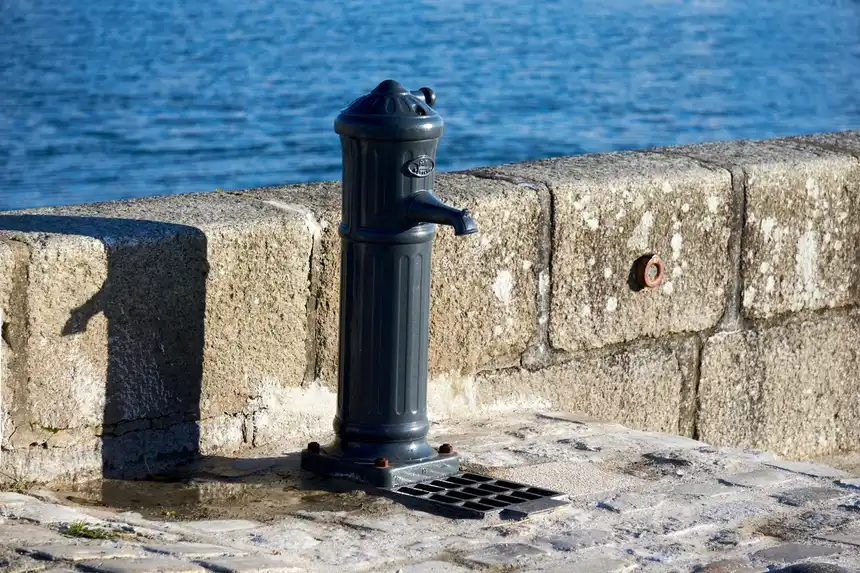
If your existing pump still has life in it, repair beats replacement. We fix stuck float switches, failed check valves, and clogged discharge lines across Naples, often the same day you call. A repair now can buy you a year or two before a full install.
View service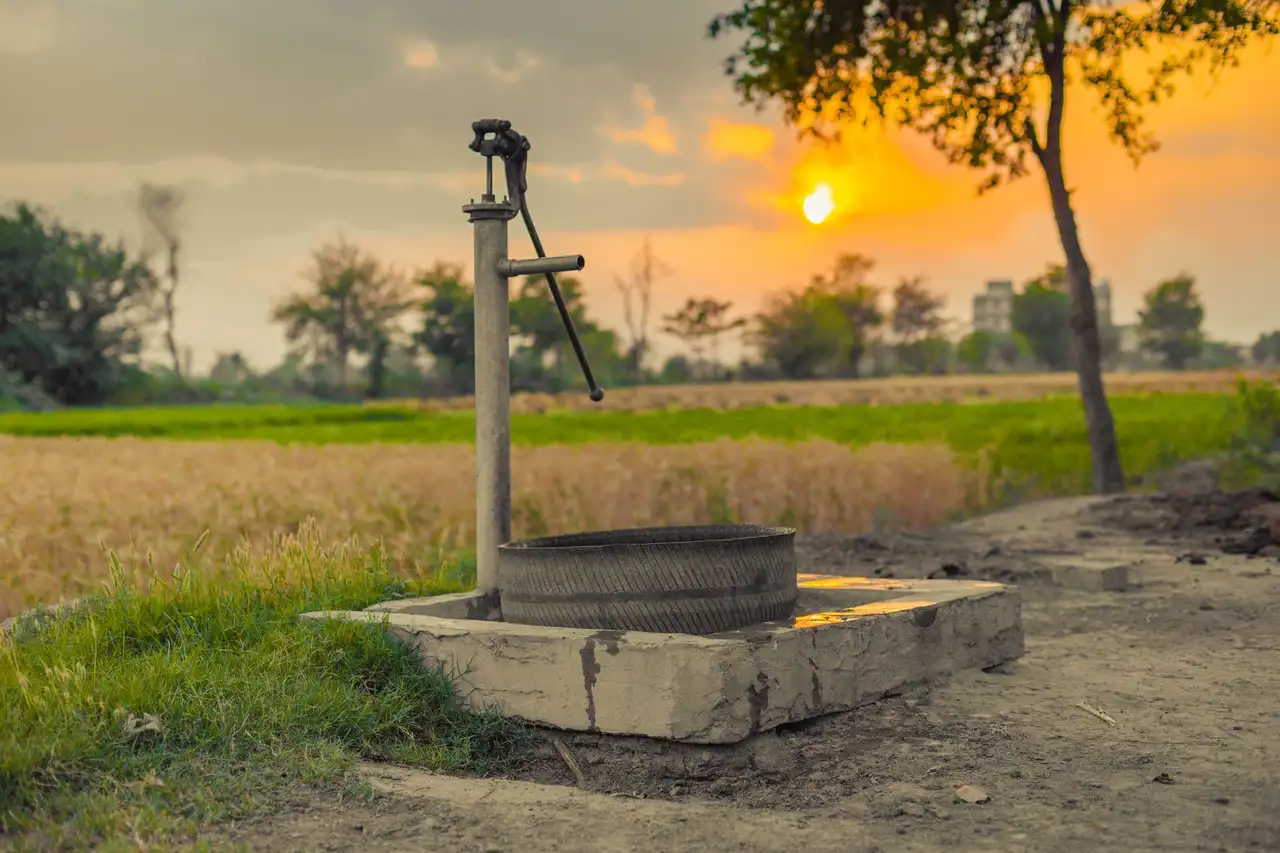
When a pump is over eight years old or has already failed twice, replacement is the smarter spend. We swap the unit, inspect the basin, and upgrade the check valve and float switch at the same time. Most replacements finish in a single visit.
View servicePump quit at 2 a.m. during a storm? We run emergency calls across Naples and can often have a temporary pump in place within hours. Call us before the water reaches your baseboards, because every minute counts once the basin overflows.
View service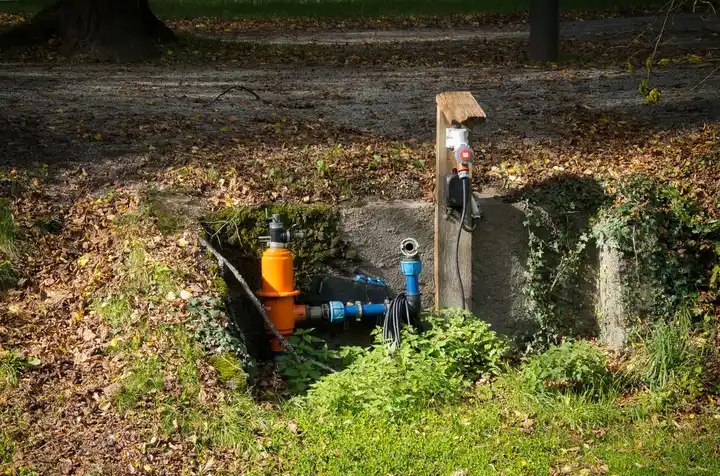
An annual service visit keeps your system ready for hurricane season. We test the float switch, flush the discharge line, check the backup battery, and confirm the check valve seals. It is a small bill that prevents the big one.
View serviceCall 111 222 4343 and tell us what your pump is doing. We answer 24/7 for emergencies and schedule regular service Monday through Friday. Most naples calls get a same-day visit, and you'll get a price before we start work.